I have just begun my Masters in Instructional Design and Technology at California State University Monterey Bay. I expect that over the next two years I will develop and expand my ideas regarding Transformation through Qi Gong, Intentional Wellness and Life Optimization Planing. I hope to post here regularly to share my insights and ideas as they form. I would greatly appreciate you comments and contributions to my learning and transformation process as you read my blogs. 
|
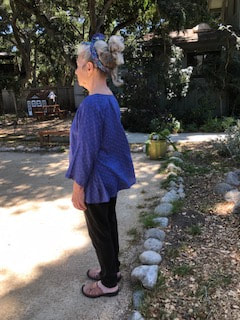 | 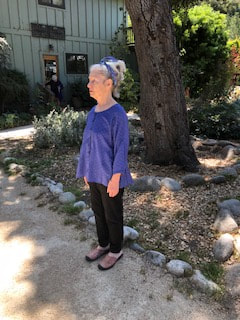 | 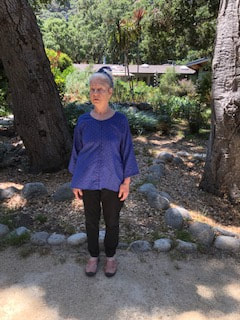 |
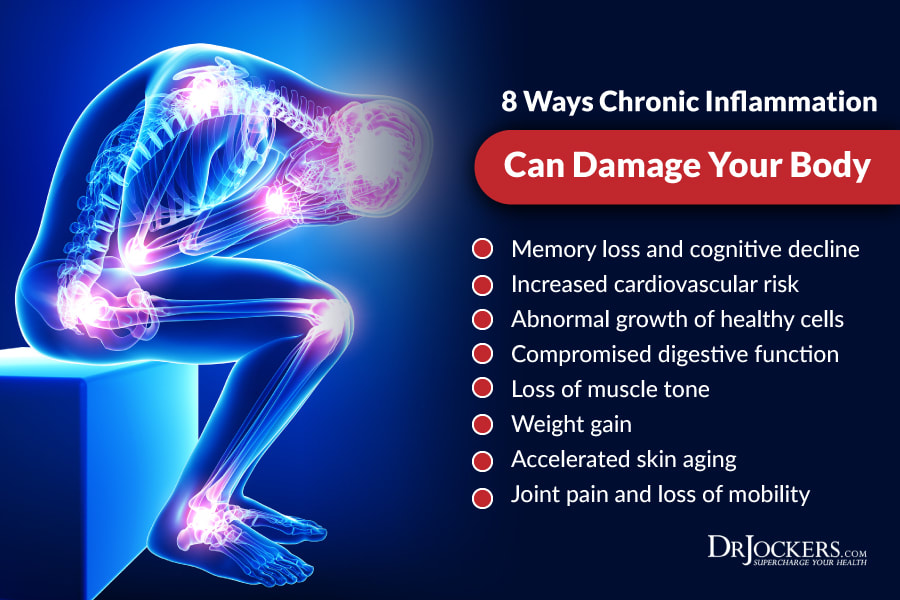
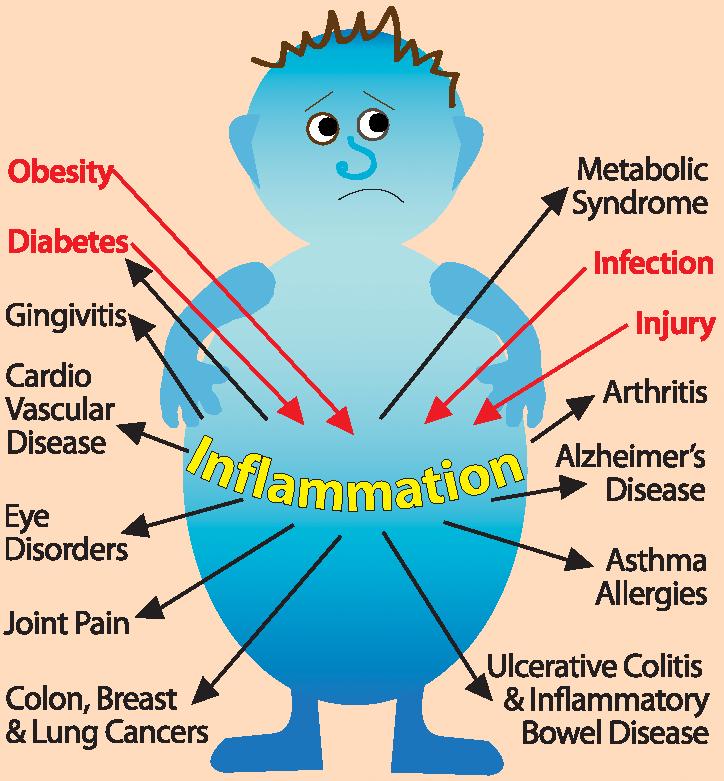
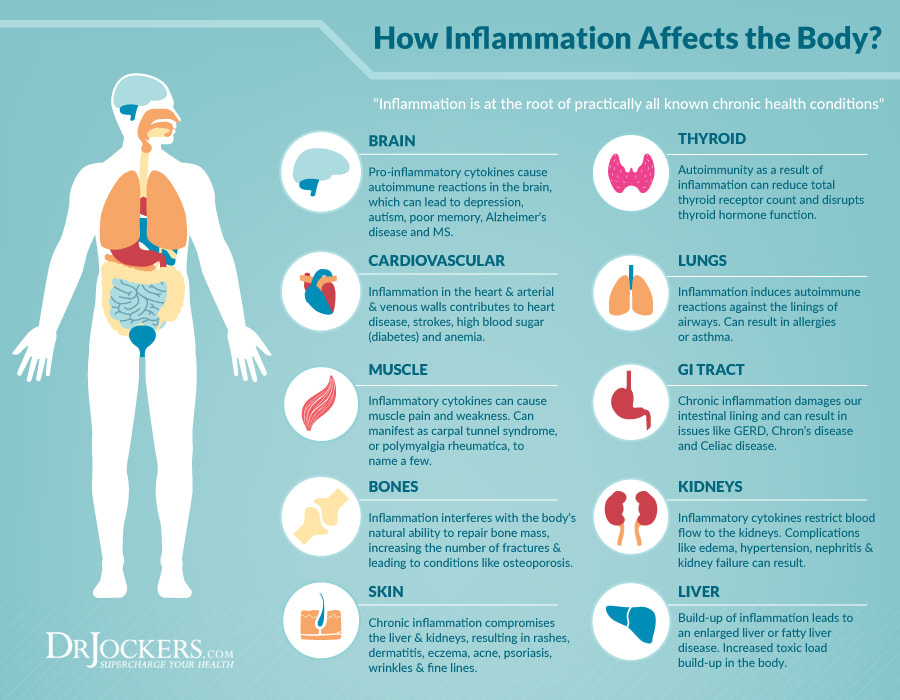
Many people have aches and pains due to improper posture. Many people struggle with postural issues when standing or sitting, and many also struggle with posture issues when moving. The key is to learn the optimal alignment and flow of the body for any given activity, and then train oneself to be aware of times when one is out of that flow. Then one can begin to correct the poor posture that leads to discomfort or even disability.
In order to learn that optimal alignment, it is necessary to train the body and unconscious mind to find it without having to think about it. That is accomplished by performing 15 to 20 minutes of meditation in the correct posture a day for at least three weeks. It may take a while to build up to 20 minutes depending on ones fitness, and how out of alignment one may be. But the struggle to achieve this correct posture is well worth the effort.
Once a person masters standing with pung, it becomes possible to move with pung. That skill is hugely important to martial artists, and can also be important to anyone struggling with chronic pain.
This exercise is perhaps one of the most valuable tools available for attaining freedom from musculo-skeletal pain. It sure beats the heck out of opiates…
Words to live by. And what do they mean?
Being safe begins with avoiding injury. Practicing the art of conscious observation and interaction with one's surroundings is the beginning of safety. Then we delve into anticipating dangers and avoiding, or at least preparing for them before they arise.
Being kind means trying not to hurt anyone or anything while living the lives we choose to live. This is not as easy as is may at first seem. Every choice, even what to eat for dinner has consequences. At the very least, we might learn to be conscious of the impact of our decisions and choices on the people, animals and environment around us and beyond.
Being healthy not only means fitness and a good diet. It also means taking active measures to enhance our immune system and eat "medicinal" foods (ie. psyllium husk, ginger, garlic, leafy greens, etc.).
Being respectful is a bonus consideration. It includes respecting oneself as well as others. It includes respecting nature and life in every way, even when the taking of life seems necessary for one's own well being/survival.
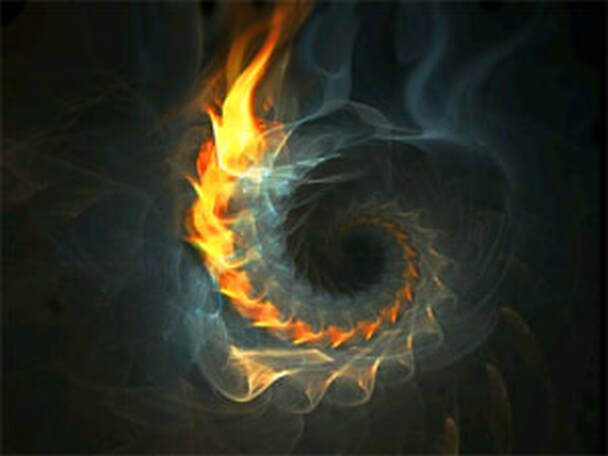
What is magic? My son loves to dress up in his wizard costume and wield his wand to make amazing things happen. It helps that he has a video camera that he can edit to make his effects more convincing. But what is real magic?
I submit that “real” magic is when we perceive something to be real, and yet we do not quite understand it. This week in class I will be introducing the famed but illusive “Pill of Immortality.” This is a form of Taoist magic believed to lengthen life and increase vitality.
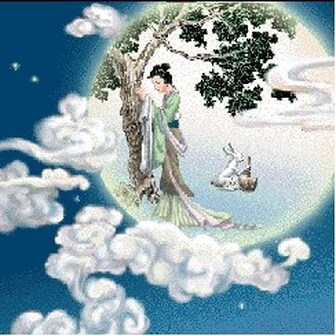
The full moon and lunar eclipse we experienced this week is related to the pill of immortality through Taoist lore. A story from the ancient Taoist tradition speaks of this mystical concoction. And, as most of these stories, it begin: Once upon a time, a long time ago, in a land far away…
There was an haughty young archer unmatched in skill and practice. His name was Hou Yi. He had achieved fame when one day ten suns arose to scorch the earth. He successfully shot nine of them out of the sky and was applauded as a hero. He later went on a quest to find the famed “Pill of Immortality.”
He searched hi and low, far and wide, deep and shallow, up and down, etc. And finally, he came upon an old sage who remembered the day when the ten suns rose. He was so grateful to this young hero for finally explaining to him how they were felled that he gave him the very Pill that the youth was searching for.
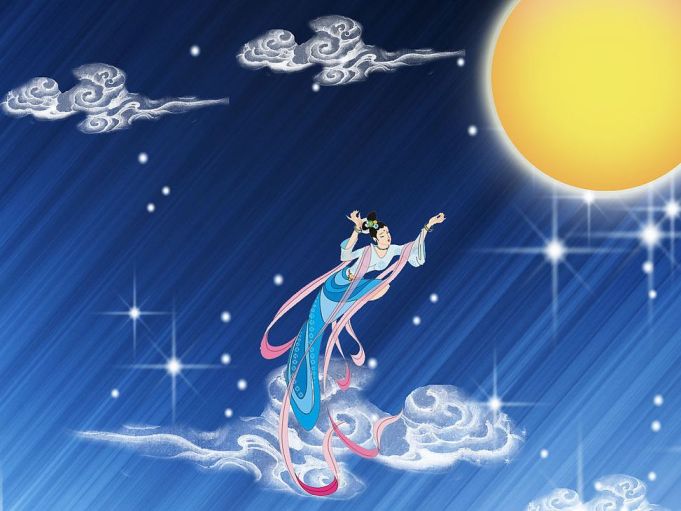
One night on his journey back home he spied a lively rabbit under the light of the full moon. The thought occurred to him that it might make a delicious meal, and a lovely fur cap too. As he let loose his arrow the light of the moon began to dim and an eclipse began. At that very moment, right before the arrow struck home, a lovely young woman took the place of the rabbit. He ran to examine his quarry, and gazed into the dying eyes of this maiden.
Her beauty and purity was such that he immediately fell in love with her. And he was so handsome, brave and compassionate that she too was smitten. Though brief in their meeting, he offered her the magic pill that he had labored so hard and traveled so far to find. He hoped it would save her life. And it did! But then she explained that she had already been an immortal. She was the mistress of the moon and only came into a mortal form during a full eclipse. That was a time she could prance and play on the earth. But she had met with his arrow this time. And thought is made her immortal once again, it did not save her mortal life. They were able to share the rest of the full moon together, but as the brightness once again overtook the shadow, she told him that she would never be able to come back to earth as a mortal woman. She said she would wait for him on the moon. He must shoot an arrow at the moon with a silk thread attached to it on the night of the full moon during a total eclipse. That thread would create a magic bridge where he could come visit her. With that, she floated back up to the moon forever, to wait for him on nights of the eclipse.
 |  |
The lunar eclipse is also an astronomical representation of the idea that even at the fullest and brightest time of the moon, the earth can still hide its glow for a few hours. The mystical extension of this event lies in the truth that at ones physical peak in life when Yang energy is at its greatest Yin energy can still eclipse the light. If one can survive the moments of darkness and re-emerge from the shadow of yin (which is a representation of life on this planet as we know it) then one’s spirit can be truly immortal and untouched by the earthly cycles of life and death.
There are at least two schools of thought on the topic of immortality in Taoism. One is from the “External” school, which teaches that there is some secret alchemical concoction that can be consumed that will lengthen your life. From the outside, this seems to imply that there is a secret recipe that one can cook up in order to make one immune to death.
Pragmatists such as myself come from the school of “Internal” thought that teaches a more practical, and yet no less mystical relationship with death. This discipline teaches that certain healing herbs, dietary practices and physical exercises can help us live a longer and higher quality of live as we cultivate an immortal inner self who will survive our inevitable outer decomposition.
Dear Friends
Breathing is often understated, but it cannot be over-rated. Each breath we take does the obvious: air comes into our lungs and oxygen is exchanged for carbon dioxide in the blood and our bodies gain a renewed lease on life for another minute or so. Stop breathing and you stop living. Air is arguably the single most urgent element in life. And how we breathe is a crucial element in longevity and quality of life.
There is so much more to a breath of fresh air than a chemical exchange. Each breath nurtures our bodies in so many ways. A breath can express emotions, affect verbal communication, exercise the diaphragm, enhance circulation in the vital organs and much more. In fact, varying ones breathing patterns is a common practice in many modalities to enhance energy circulation, healing and strength.
Breathing is often understated, but it cannot be over-rated. Each breath we take does the obvious: air comes into our lungs and oxygen is exchanged for carbon dioxide in the blood and our bodies gain a renewed lease on life for another minute or so. Stop breathing and you stop living. Air is arguably the single most urgent element in life. And how we breathe is a crucial element in longevity and quality of life.
There is so much more to a breath of fresh air than a chemical exchange. Each breath nurtures our bodies in so many ways. A breath can express emotions, affect verbal communication, exercise the diaphragm, enhance circulation in the vital organs and much more. In fact, varying ones breathing patterns is a common practice in many modalities to enhance energy circulation, healing and strength.
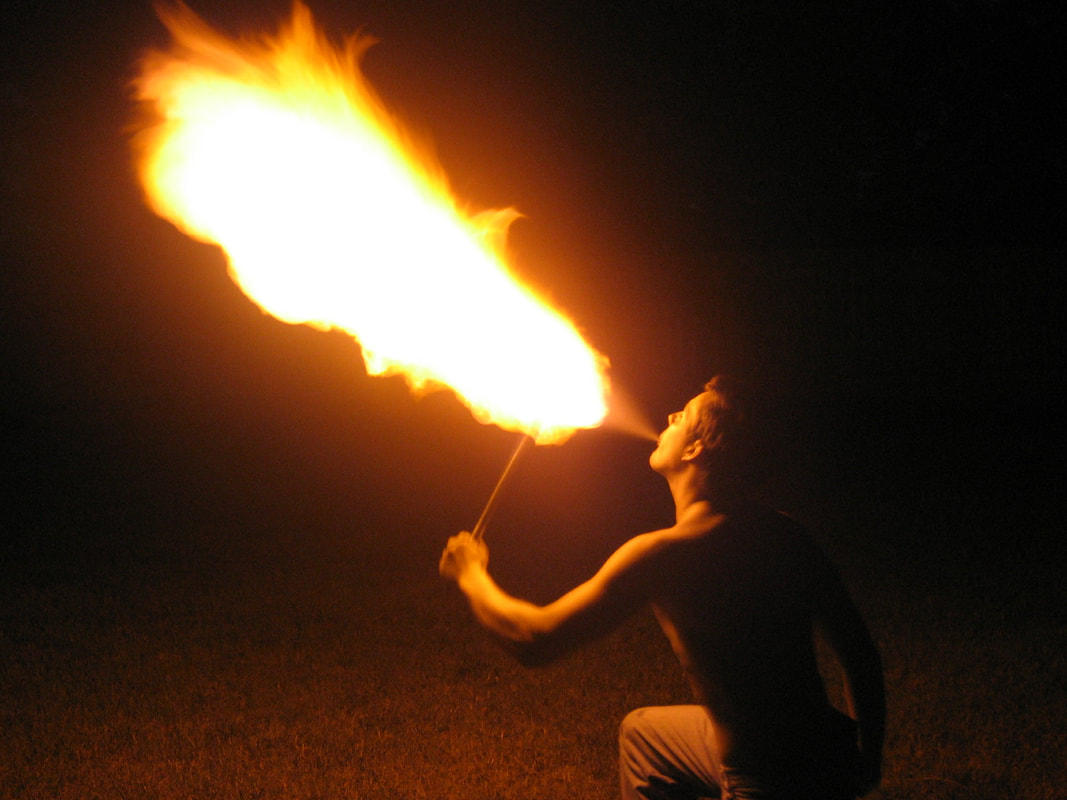
Learning to control and even master ones breath is an import part of activities such as martial arts, sports, meditations and performing arts because breathing patterns are so interwoven with all physiological, psychological, emotional and spiritual practices. We can even regulate our body temperatures with different breathing practices, as some of my students have already learned.
I often remind students to relax and breathe deeply into their lower “tan tien (energy center). To clarify, I simply mean to allow the diaphragm to stretch downward from the bottom of the rib cage and push into the abdomen where the liver, spleen, kidneys, stomach and intestines reside. This action squishes them around a bit, which is in itself a beneficial activities, and it also allows for the lungs to expand downward and outward in all directions under the ribs increasing their volume to a maximum capacity. At the same time, it eliminates the need to use extra muscles in the upper chest or raise the shoulders in order to satisfy the urge for air.
Abdominal breathing, as the practice described above is often called, is necessary for deep relaxation. By training ourselves to breathe in this way on a regular basis, and not lift our shoulders and suck in our guts when we breathe (no matter how much stress we are under), we enhance our baseline of relaxation and decrease chronic stress. This even becomes evident in our sleep. A few minutes of meditation before bed that include slow, deep, abdominal breathing leads to deeper and more relaxed sleep patterns.
So, take a breath and please send me a message at markcangel@att.net if you have any questions regarding class times or topics discussed in my blog. I will continue to send out weekly reminders of my classes. And this month, we will focus on breathing.
I hope to see you soon on a Monday at 9am at the Gazebo in Pacific Grove Jewell Park, and/or a Friday at 9am at the Gazebo in Carmel Valley Community Park, or any other time that is mutually agreeable by appointment.
Sincerely,
Sifu Mark Angel
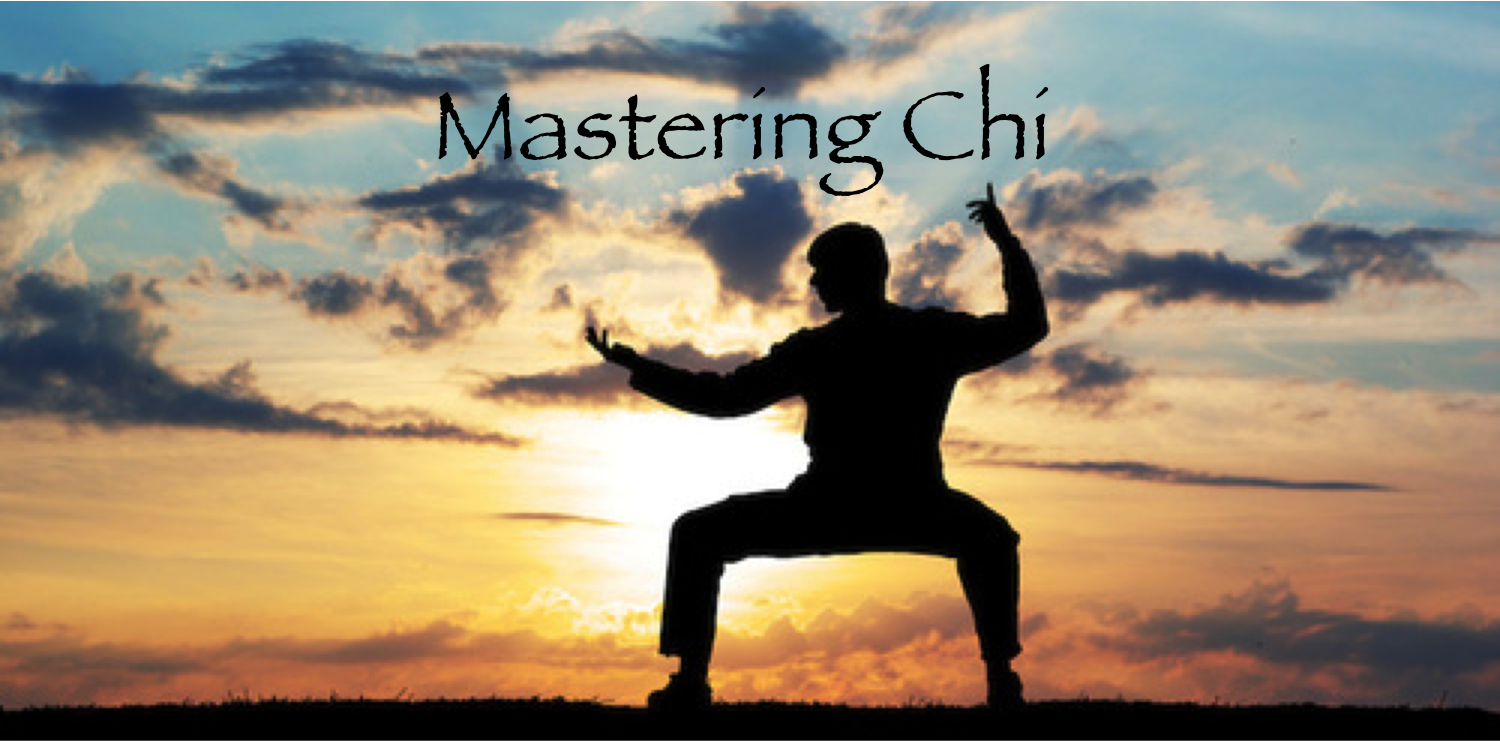
In their book "Mastering Chi: Strength from Movement" Hua-Ching Ni with his sons Dr. Daoshing Ni and Dr. Maoshing Ni offer many good justifications (if anyone needs any at this point) and many clear explanations of the specific value of "gentle, rhythmic movement" to a person's general health. They offer responses to many common questions people ask regarding Qi Gong (or Chi Kung or Chi Gong as they spell it). I have paraphrased Master Ni's work much in the past. His writings are the foundation of much of my own Taoist book learning. Below are some quotes and paraphrases from "Mastering Chi."
Some quotes from the book by Masters Hua-Ching Ni:
"In doing T'ai Chi movement and in living our lives, our goal is to be healthy and normal. Nothing special, just normal. The movement in T'ai Chi practice is a constant, healthy flow, not an erratic flow that is subnormal or abnormal."
"Our goal is to fully achieve ourselves while living within the inescapable network of worldly life"
"(In practicing T'ai Chi or Chi Gong) the internal and external elements of movement are not really separate."
"In doing T'ai Chi movement and in living our lives, our goal is to be healthy and normal. Nothing special, just normal. The movement in T'ai Chi practice is a constant, healthy flow, not an erratic flow that is subnormal or abnormal."
"Our goal is to fully achieve ourselves while living within the inescapable network of worldly life"
"(In practicing T'ai Chi or Chi Gong) the internal and external elements of movement are not really separate."
Master Ni and his sons have devoted their lives and careers to practicing and teaching Taoist arts and traditional Chinese medicine (TCM). They often remind students that the best way to have good success in improving your circulation, balance, strength and qi flow is by practicing gentle, rhythmic movements regularly. Learning from a teacher who can help you find optimal postures and techniques is ideal, but one can also find may videos and texts on the subject in any media.
I would like to help each of the people who are reading this message in achieving their movement goals. And mental health and spiritual cultivation directly result from regular physical practices such as the Ni family and I teach.
Please don't hesitate to let me know how you are enjoying and learning from these weekly messages. I sometimes feel like I am sending these words and ideas into the "void." I appreciate your response to my messages as well as your attendance at my classes.
Sincerely,
Sifu Mark Angel
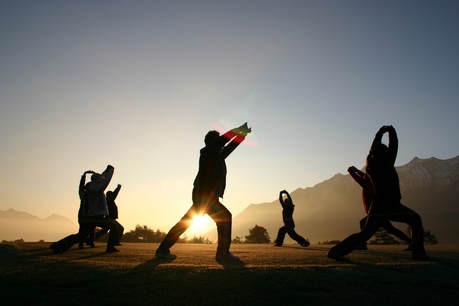
"Joint Cultivation" means working together in groups to improve ourselves physically, emotionally, psychologically and spiritually. When we gather together to meditate, pray, play, or do movement arts like Qi Gong and Tai Chi, we build on each other's energy. I will speak of this using both Western and Easter terminology to honer the traditions we are steeped in at our weekly sessions.
We are more likely to move through the whole healing set or program that we have established as our ritual or routine if we have others around us doing the same thing. In our Qi Gong practice, we have a set of exercises that begin with "Saluting In," thereby creating a "sacred" space where ever we are. We salute into the circle and acknowledge that we are about to embark in an hour or so of joint cultivation. Our focus will be exclusively on the moment letting go of all the distractions that encumber us in our daily lives. We will allow our body, mind, and spirit to be undivided. We do this by practicing five types of Taoist exercises:
Finally we separate or "re-individuate" ourselves after a period of joining our energy fields throughout the group. We salute out, returning the "Sacred" space in which we cultivated to the "Profane" (non-sacred) space that it is during all other times. We can then go our separate ways without unnecessary energetic ties to the people we cultivate with.
Thank you for reading my blog. Please post comments as you deem appropriate.
Sincerely,
Sifu Mark Angel
We are more likely to move through the whole healing set or program that we have established as our ritual or routine if we have others around us doing the same thing. In our Qi Gong practice, we have a set of exercises that begin with "Saluting In," thereby creating a "sacred" space where ever we are. We salute into the circle and acknowledge that we are about to embark in an hour or so of joint cultivation. Our focus will be exclusively on the moment letting go of all the distractions that encumber us in our daily lives. We will allow our body, mind, and spirit to be undivided. We do this by practicing five types of Taoist exercises:
- The "Qi Scattering" set is meant to warm up the muscles and joints, and to dislodge any stagnant energy that may be stuck in our muscles or joints which can cause dis-ease.
- The second set, "Purging" is designed to help rid our bodies and energy fields from the detritus loosened up during scattering, and whatever else we can let go of.
- The third set, "Tonifying" is calculated to develop a perfect balance of yin and yang energy throughout our bodies and energy meridians. In Traditional Chinese Medicine (TCM) this type of work is the pathway to optimal health and healing. These exercises if done properly are also physically safe and demanding. We engage our bodies, minds and imaginations to fully embrace the movements, philosophy and energy activities related to them. They develop good strength, flexibility, balance and circulation in their practice. We conclude this set with a standing meditation that helps in relaxation, posture and mindfulness, as well as connecting us to all levels of our existence.
- The fourth set, "Circulating" is meant to take that perfect balance of energy and inner peace, and circulate it throughout the whole body. This movement set is a meditation on using the imagination to lead the mind, and the mind to lead the chi. Feeling the physicality of our chi energy is a major long term goal of these exercise. It is my intention to help all students actually physically feel the polarity of their external and internal energy fields between their hands, if not actually circulating in and around their bodies.
- The final set, "Storing" is brief, but essential in remembering that as we cultivate ourselves, we can return to the strong, relaxed and confident feeling we have after our session any time of the day or night simply by tapping into our core connection that has its base between our pelvic bowl and our diaphragm and up through the top of our head. In Chinese, it is called the lower or first Tan Tien (Dan Tien), the middle Tan Tien and the upper Tan Tien. These all compose our core connection to the yin of the earth and the yang of heaven.
Finally we separate or "re-individuate" ourselves after a period of joining our energy fields throughout the group. We salute out, returning the "Sacred" space in which we cultivated to the "Profane" (non-sacred) space that it is during all other times. We can then go our separate ways without unnecessary energetic ties to the people we cultivate with.
Thank you for reading my blog. Please post comments as you deem appropriate.
Sincerely,
Sifu Mark Angel
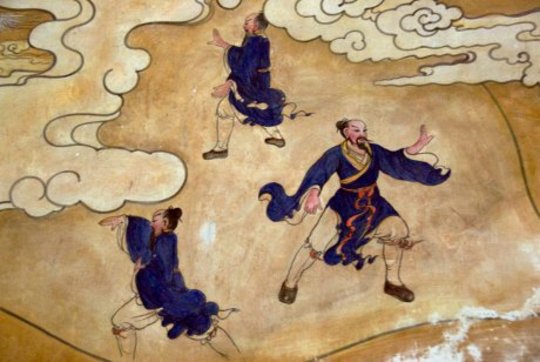
Chi Kung (Qi Gong) is a movement art developed in China in ancient times. Practicing these movements on a regular basis enhance energy flow throughout the body as it improves strength, balance and circulation. Some records show that Chi Kung is the foundation upon which the martial art of Tai chi was built; the latter carrying into self-defense the idea of optimal health and strength. Other healing movement and martial arts were developed in China over the centuries. What differentiates Tai Chi and Chi Kung is that both are steeped in the Taoist philosophy inculcating the universal oneness of all nature.
This Taoist philosophy teaches that first, there is one (wuji). From the one emerges the two (taiji). And from the two emerges the “10,000 things” (all matter and energy in the universe). So, what is before the one? Tao. What is Tao? Well, that is the eternal question that can be pondered, meditated upon and even experienced, but never explained or described.
We practice twice a week from 9am to 10am. On Wednesdays we are at the gazebo in Jewell Park in Pacific Grove, and on Fridays we are at the gazebo in Carmel Valley Community Park in Carmel Valley. During the hour we explore the meaning of Tao as we practice Chi Kung exercises and meditate on the One and that which emerges from it.
These weekly messages will expand on the one and share some core ideas held by traditional as well as not so traditional Taoist practitioners. I hope you will continue to read and enjoy the journey.
Sifu Mark Angel
This Taoist philosophy teaches that first, there is one (wuji). From the one emerges the two (taiji). And from the two emerges the “10,000 things” (all matter and energy in the universe). So, what is before the one? Tao. What is Tao? Well, that is the eternal question that can be pondered, meditated upon and even experienced, but never explained or described.
We practice twice a week from 9am to 10am. On Wednesdays we are at the gazebo in Jewell Park in Pacific Grove, and on Fridays we are at the gazebo in Carmel Valley Community Park in Carmel Valley. During the hour we explore the meaning of Tao as we practice Chi Kung exercises and meditate on the One and that which emerges from it.
These weekly messages will expand on the one and share some core ideas held by traditional as well as not so traditional Taoist practitioners. I hope you will continue to read and enjoy the journey.
Sifu Mark Angel
Author
Mark is a Qi Gong and Tai Chi instructor and gives classes and private lessons in Carmel Valley, CA
Archives
November 2020
September 2020
June 2020
May 2020
March 2020
February 2020
January 2020
October 2019
August 2019
July 2019
January 2019
December 2018
October 2018
September 2018
Categories
